

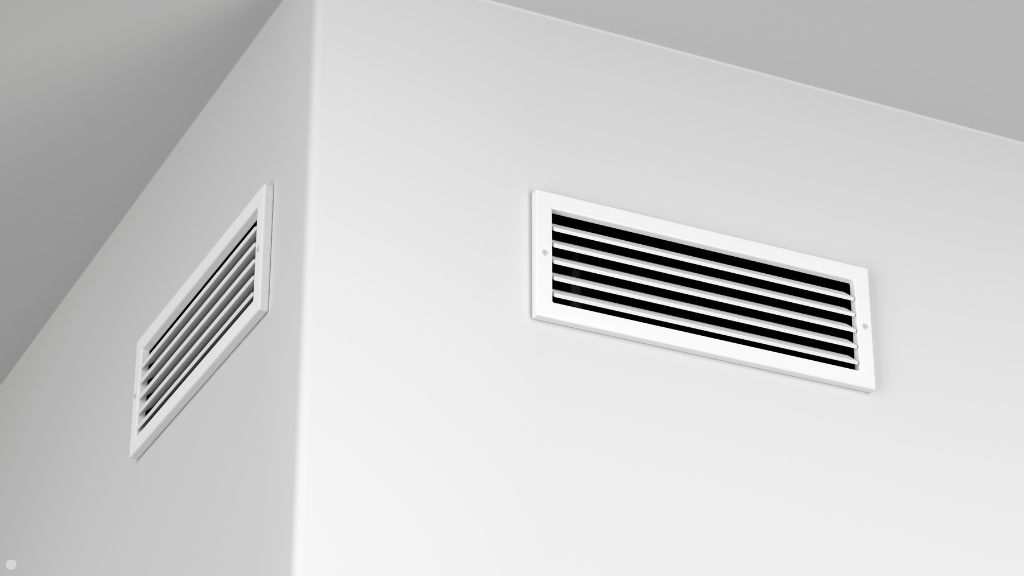
It is the second week of a heat wave and the property manager’s phone will not stop ringing. Residents on the third floor say the hallway outside the garbage chute room smells worse than it ever has. The exhaust fan is running. The chute door closes properly. On paper, nothing is broken. What actually happened is that the ventilation system was sized and balanced for average conditions, and average conditions do not include a chute room sitting at a much higher temperature than the rest of the building for six or seven weeks straight.
This is one of the most predictable, and most avoidable, service calls that comes through in July and August across the GTA. Understanding why heat exposes weaknesses in garbage room ventilation, and what a properly engineered system actually needs to do, is the difference between a building that handles summer without complaints and one that fields the same odor call every year.
In this article:
- Why summer heat turns garbage rooms into a different problem
- The ventilation mechanic most buildings get wrong
- Garbage and linen chutes: the hidden ventilation partner
- Signs your high-rise ventilation system is falling behind
- What a properly designed system looks like year-round
- Working with property management before peak season hits
Why Summer Heat Turns Garbage Rooms Into a Different Problem
A garbage chute room is already working against a few things at once: organic waste breaking down, moisture from washed containers, and warm air rising through the chute itself from lower floors. In winter, the temperature difference between the chute room and the outdoors helps pull that air out through the exhaust system with relatively little resistance. In summer, that natural driving force disappears, and in some building configurations it reverses. The exhaust fan is now fighting stagnant, humid air instead of getting help from it.
Bacterial decomposition also speeds up considerably as ambient temperature rises, which means the same volume of waste produces stronger odor compounds faster than it would in cooler months. A ventilation system that was adequate for nine months of the year can fall noticeably behind during the stretch when the building needs it most.
The Ventilation Mechanic Most Buildings Get Wrong
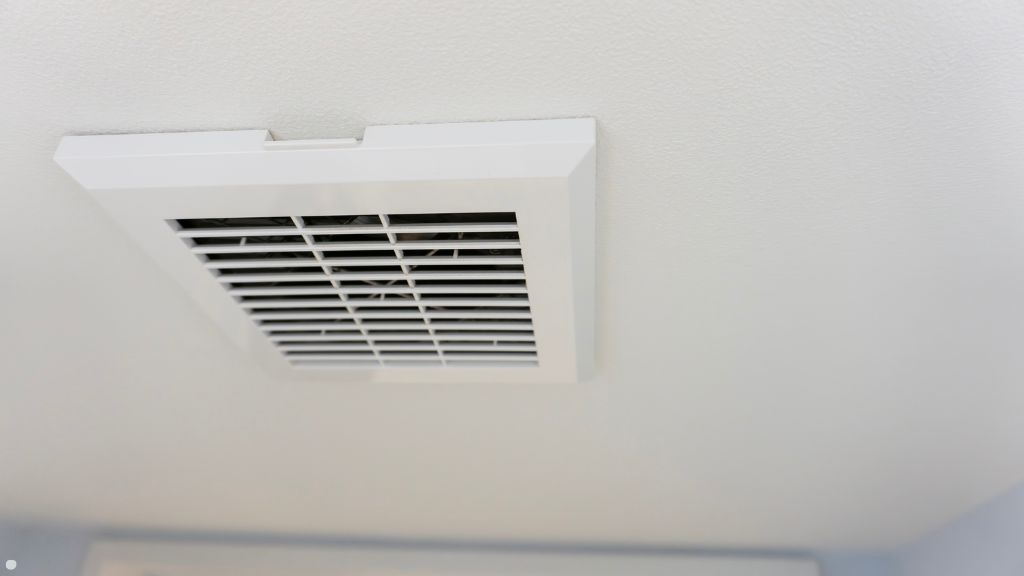
Here is the part that surprises a lot of property managers: turning up exhaust fan speed is usually the wrong response to a summer odor complaint, and it can make things worse. An exhaust fan can only pull air out of a room at the rate that replacement air is allowed back in. If the chute room does not have adequate makeup air, a stronger exhaust fan just increases negative pressure in that room, and that negative pressure pulls air from wherever it can find a path, often through door gaps and cracks that lead straight into corridors and lobbies. The odor does not disappear. It relocates.
As the Scaturchio family, who has run York Chutes as a family business since 1965, has seen across hundreds of buildings, the fix is almost never a bigger fan. It is a properly balanced system where exhaust and makeup air are sized against each other, with ductwork and dampers designed for the actual geometry of that specific chute room rather than a generic template. That is a mechanical design problem, not a horsepower problem.
Garbage and Linen Chutes: The Hidden Ventilation Partner
Ventilation and chute performance are more connected than most building staff realize. A chute is essentially a vertical shaft running through every floor, and it behaves like a chimney: warm air rises inside it, and that airflow interacts directly with whatever ventilation system serves the discharge room at the bottom. A chute door that no longer seals properly, a chute liner with gaps at the seams, or a discharge room damper that has degraded all change how air moves through that shaft, which in turn changes how hard the ventilation system has to work.
This is why chute maintenance and ventilation servicing should not be treated as two unrelated line items. A building that only services its exhaust fan while ignoring worn chute door gaskets or a compactor room that no longer closes tightly is solving half the problem. Full-service providers who design, manufacture, and install both systems in-house tend to catch these interactions because they are looking at the whole shaft, not just the fan on the roof.
Signs Your High-Rise Ventilation System Is Falling Behind
Property managers do not need to wait for a wave of resident complaints to know a system needs attention. A few patterns tend to show up first:
- Odor that is noticeably worse on upper floors near the chute shaft, even though the chute room itself is on the ground floor
- A garbage room that feels noticeably hotter or more humid than the rest of the building’s service areas
- Exhaust fans that run constantly but never seem to bring the room to a comfortable, neutral state
- Condensation or moisture buildup on chute room walls or ductwork during warm months
- Increased pest activity in or near the chute discharge area, which often follows lingering organic odor
- Corridor doors near the chute room that used to seal quietly and now whistle or leak air when the exhaust fan cycles on
Any one of these on its own might be minor. Two or three together, especially arriving at the same time every summer, usually points to a system that was never balanced correctly for the building’s real conditions.
What a Properly Designed System Looks Like Year-Round
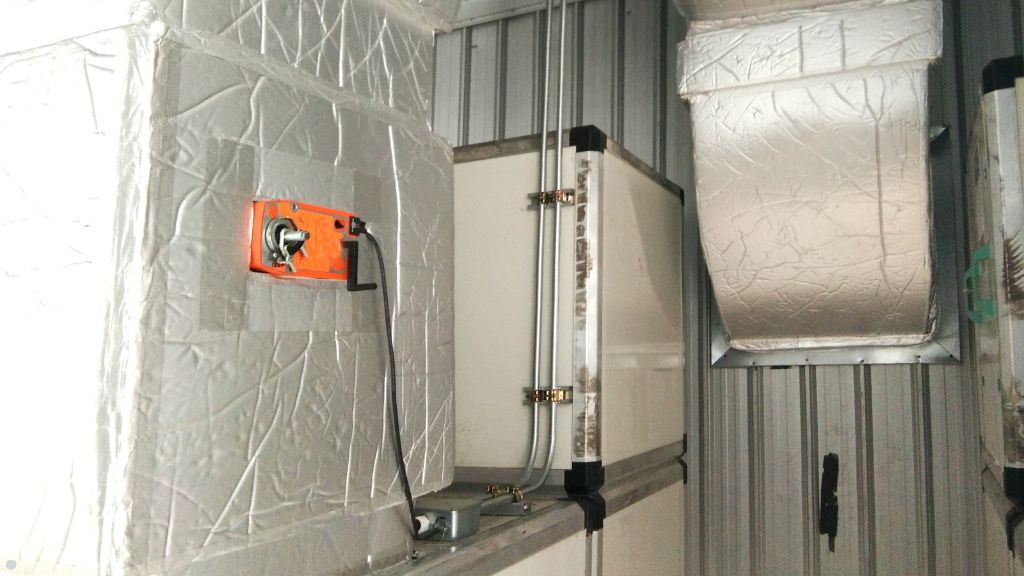
A ventilation system built for a high-rise garbage room needs to account for three things at once: consistent exhaust capacity, matched makeup air, and a chute shaft that is sealed and maintained well enough that it is not working against the mechanical system. When those three pieces are designed together rather than bolted on separately over the years, the room stays in a stable range regardless of whether it is January or the hottest week in August.
This is also where in-house design and manufacturing makes a real difference. A system engineered and built in Canada for the specific dimensions of a given chute room and discharge area behaves more predictably than off-the-shelf components sized to a general range. Buildings that have gone through this kind of assessment tend to stop having the same recurring summer complaint, because the underlying imbalance, not just the symptom, gets addressed.
Working With Property Management Before Peak Season Hits
Most odor and airflow complaints that land on a property manager’s desk in July were actually predictable in April, if someone had looked at the chute room and ventilation system together as one connected assessment rather than two separate maintenance tickets. Building teams that schedule a combined chute and ventilation review before the warm season starts consistently avoid the scramble that comes with mid-summer resident complaints, and they catch worn gaskets, damper issues, or airflow imbalances while there is still time to correct them before the heat arrives.
For a company that has serviced more than 400 apartment and condominium buildings across the GTA, this pattern shows up every single year, and it is almost always fixable ahead of time rather than reactively.
Getting Ahead of the Next Heat Wave
If your building’s garbage room already struggles every summer, that is not something residents need to keep tolerating and it is not something maintenance staff need to keep firefighting on the hottest day of the year. A proper assessment identifies whether the issue is exhaust capacity, makeup air, chute sealing, or some combination of all three, and a full-service provider that designs, manufactures, installs, and maintains these systems in-house can act on that assessment without passing the building between multiple contractors. York Chutes offers 24/7 emergency service for buildings dealing with an active odor or airflow problem right now, and property management teams looking to plan ahead of next summer can reach the team directly to schedule a system review.